
EYELID SURGERY
Eyelid conditions can affect both vision and facial appearance. Droopy eyelids, irritation, watering, or difficulty closing the eyes may lead to discomfort, vision problems, and a tired appearance.
1. Ptosis (Droopy Eyelids)
What is this condition?
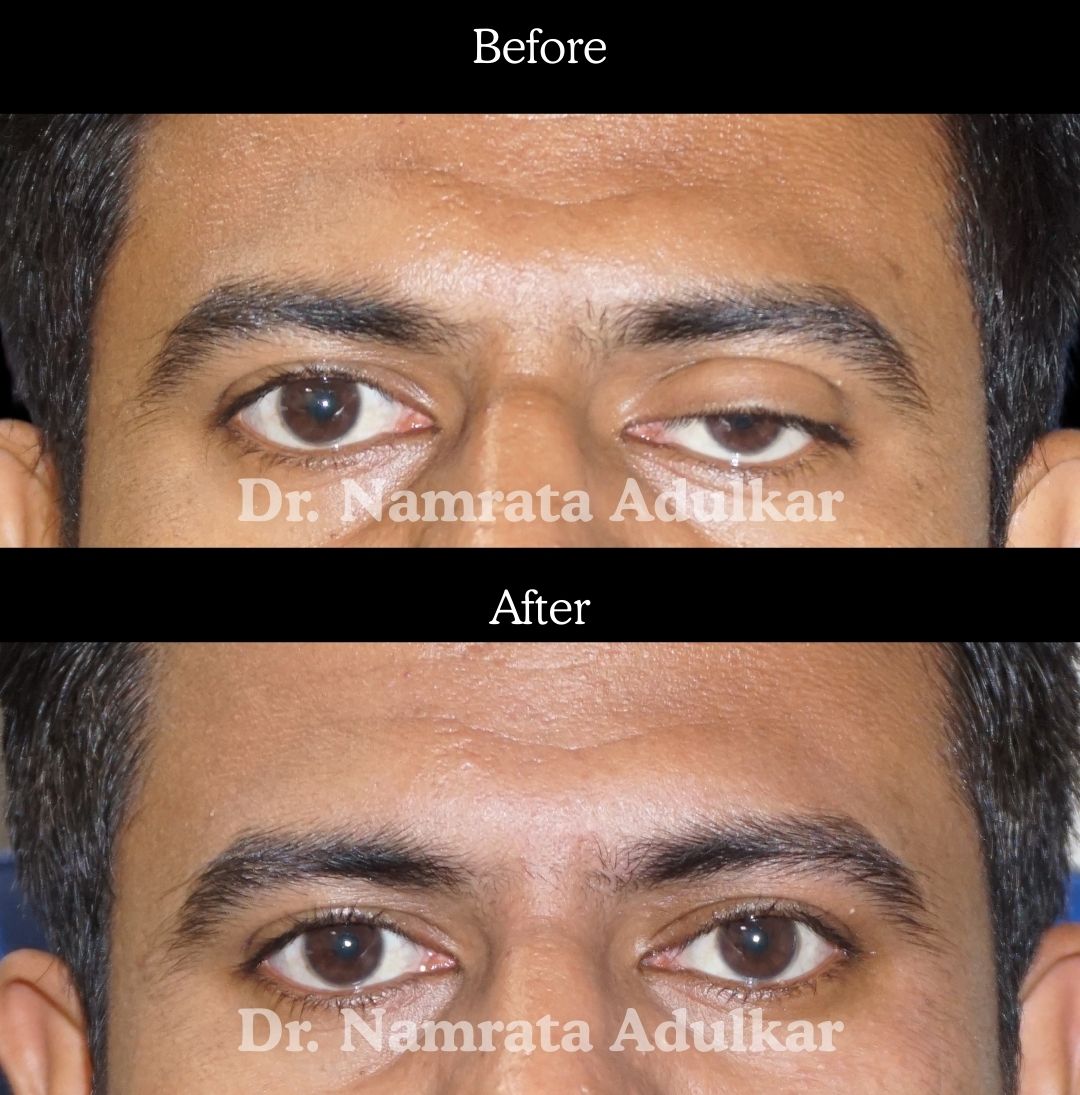
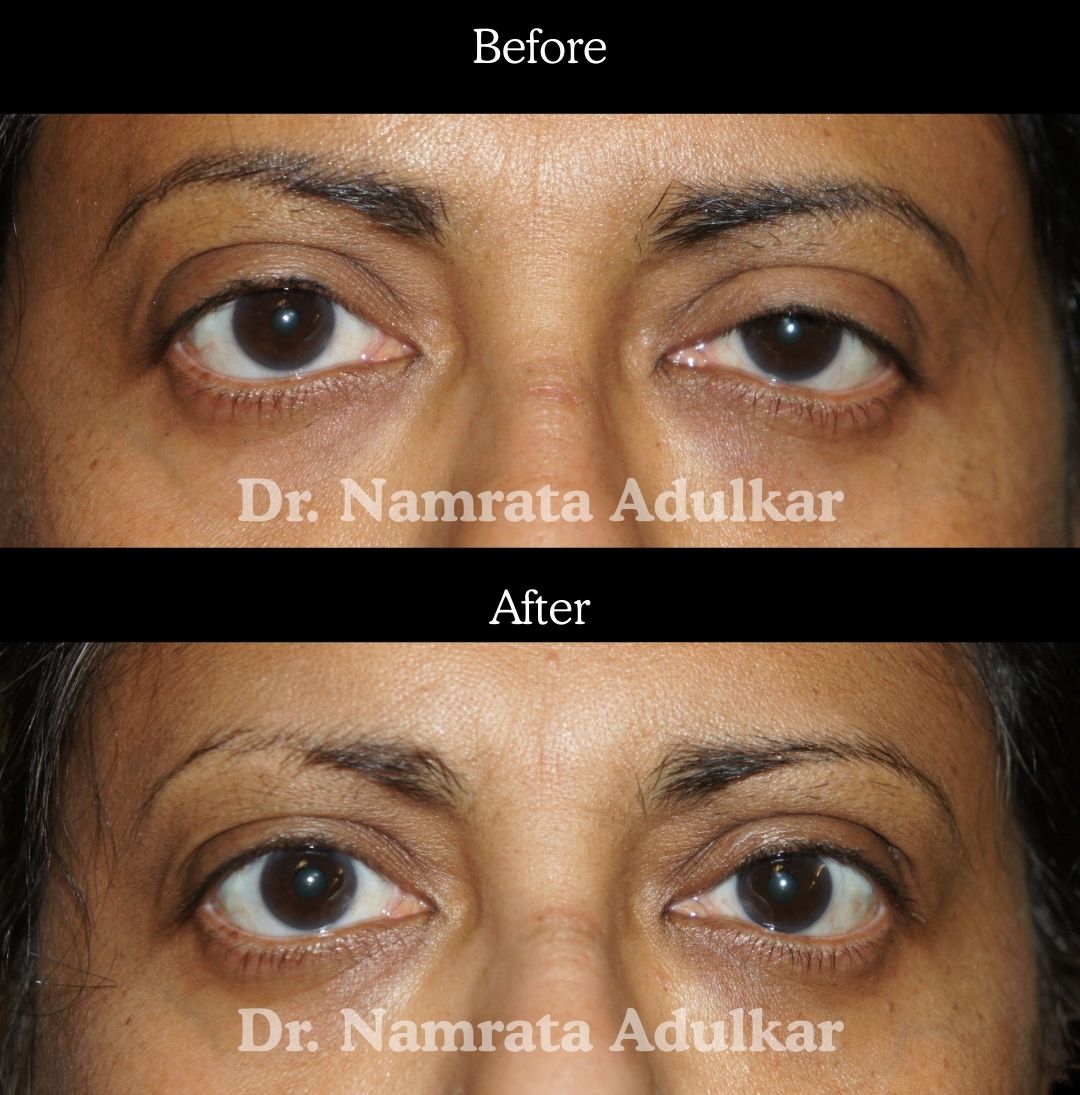
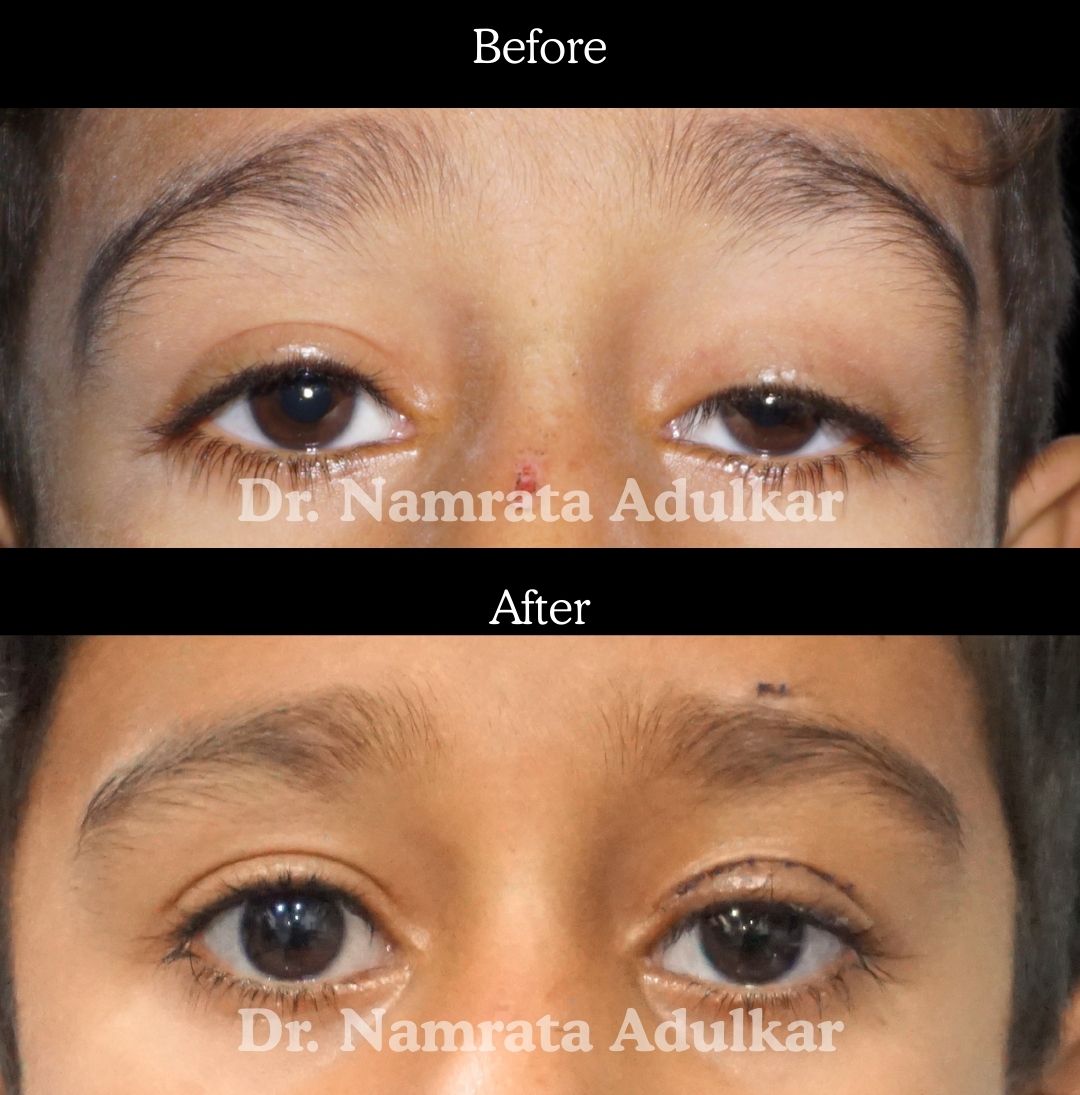
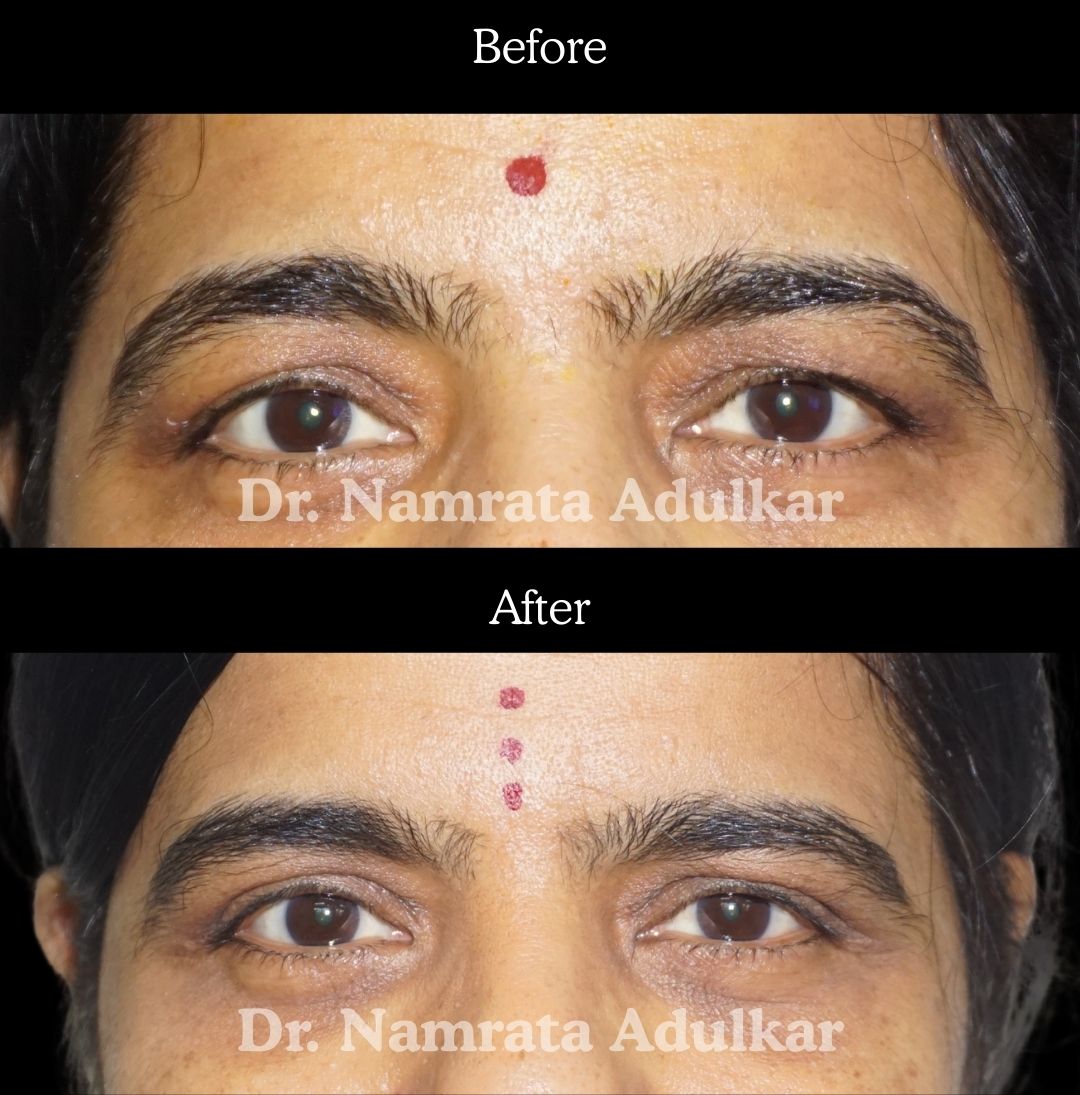
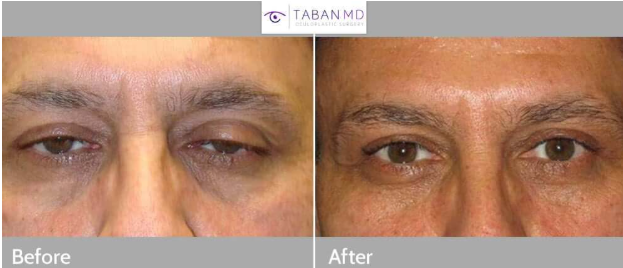
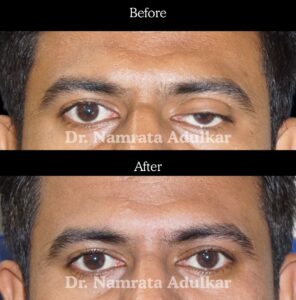
Ptosis is drooping of the upper eyelid, making the eye appear smaller and giving a tired or sleepy look. It may affect one or both eyes and can obstruct vision.
What are the causes?
- Weak eyelid lifting muscle (levator)
- Present since birth (congenital)
- Age-related tissue loosening
- Injury or long-term contact lens use
- Neurological conditions
When is treatment needed?
- In children, to prevent poor vision development and lazy eye
- In adults, when vision is obstructed or eye strain and tired appearance occur
What is the treatment?
- Tightening of the levator muscle
- Sling procedure connecting the eyelid to the forehead muscle
What are the outcomes?
- Final eyelid position stabilises in 4–6 weeks
- Around 90% achieve ideal eyelid height
- Minor adjustments may be required in some cases
2. Entropion (Inward Turning Eyelid)
What is this condition?
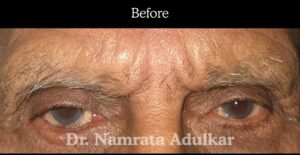
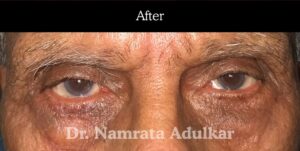
Entropion is inward turning of the eyelid causing eyelashes to rub against the eye, leading to irritation and pain.
What are the causes?
- Age-related weakening of eyelid tissues (most common)
- Scarring or inflammation
When is treatment needed?
- Persistent irritation, pain, redness, or watering
- Risk of corneal damage
What is the treatment?
- Eyelid tightening surgery to restore normal eyelid position
What are the outcomes?
- Relief from irritation and watering
- Protection of the eye surface
- Long-lasting correction
3. Ectropion (Outward Turning Eyelid)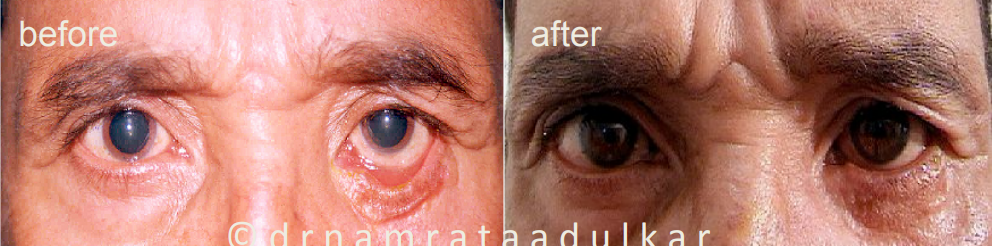
What is this condition?
Ectropion is outward turning of the eyelid leading to exposure of the eye surface.
What are the causes?
- Age-related tissue laxity
- Scarring after trauma or surgery
- Facial nerve paralysis
When is treatment needed?
- Excessive watering, redness, irritation
- Cosmetic discomfort or exposure-related damage
What is the treatment?
- Tailored eyelid surgery based on the underlying cause
What are the outcomes?
- Improved comfort and appearance
- Reduced watering and irritation
4. Lagophthalmos (Incomplete Eye Closure)
 What is this condition?
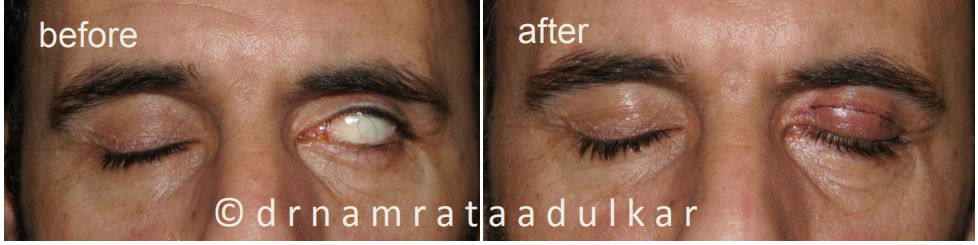
Lagophthalmos is inability to close the eyelids completely, especially during sleep.
What are the causes?
- Facial nerve paralysis
- Trauma or surgery
When is treatment needed?
- Persistent dryness, redness, irritation
- Risk of corneal infection or vision loss
What is the treatment?
- Temporary measures: tarsorrhaphy or botulinum toxin
- Permanent options:
- Gold weight implantation
- Spacer graft procedures
What are the outcomes?
- Improved eyelid closure
- Protection of cornea and vision
5. Cosmetic Eyelid Surgery (Blepharoplasty)
 What is this condition?
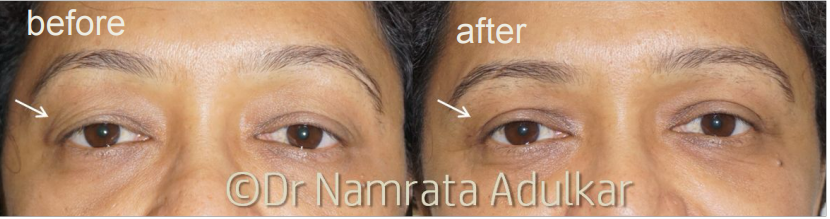
Age-related excess skin and fat around the eyelids causing heaviness or puffiness.
What are the causes?
- Ageing
- Genetics
- Weight changes
When is treatment needed?
- Droopy upper eyelids
- Puffy under-eye bags
- Tired or sad facial appearance
What is the treatment?
- Removal of excess skin and fat from upper and/or lower eyelids
What are the outcomes?
- More refreshed, youthful appearance
- Recovery in 2–3 weeks